Cookies and sweet bakes
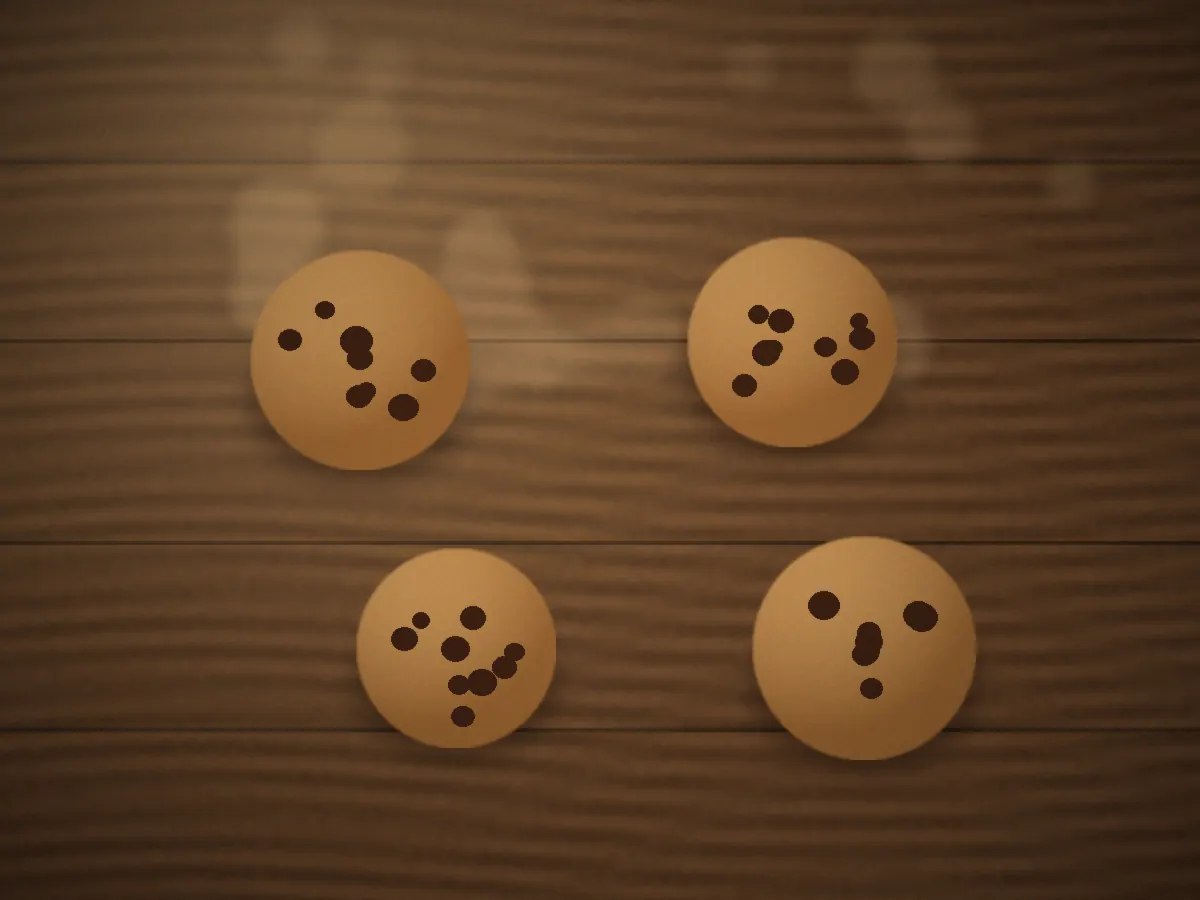
Resting cookie dough for a day lets flour fully hydrate and sugars develop, giving deeper colour and a chewier centre. Browned butter adds a toasty, nutty note.

Pastries & desserts
Cold butter, careful hands and a little patience.
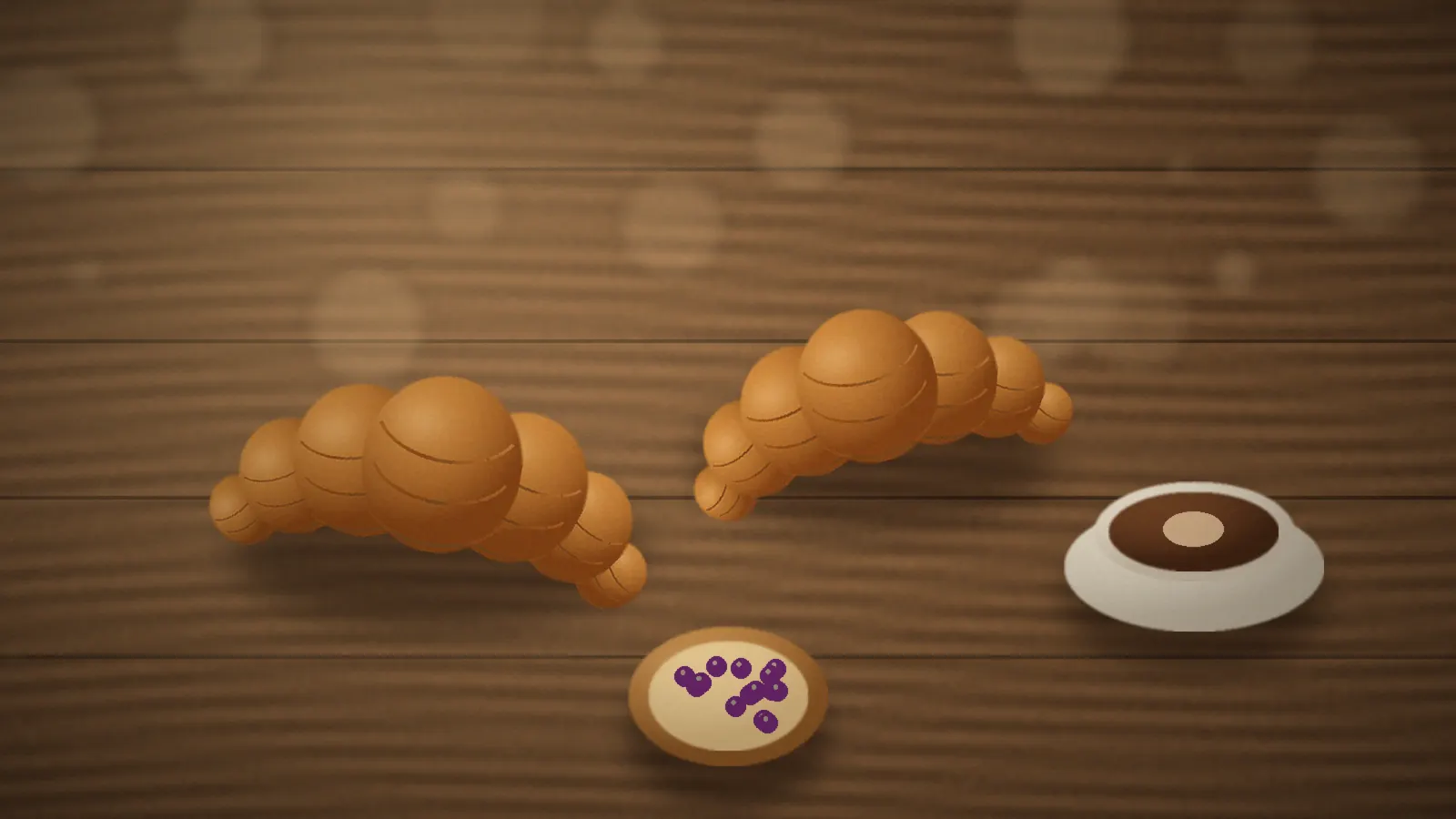
Where bread is about fermentation, pastry is about fat: how it is distributed, how cold it stays and how it turns into steam or crispness in the oven.
Pastry rewards precision. Weighing ingredients, chilling dough between steps and baking at the right temperature make the difference between a light, layered bake and a greasy one.
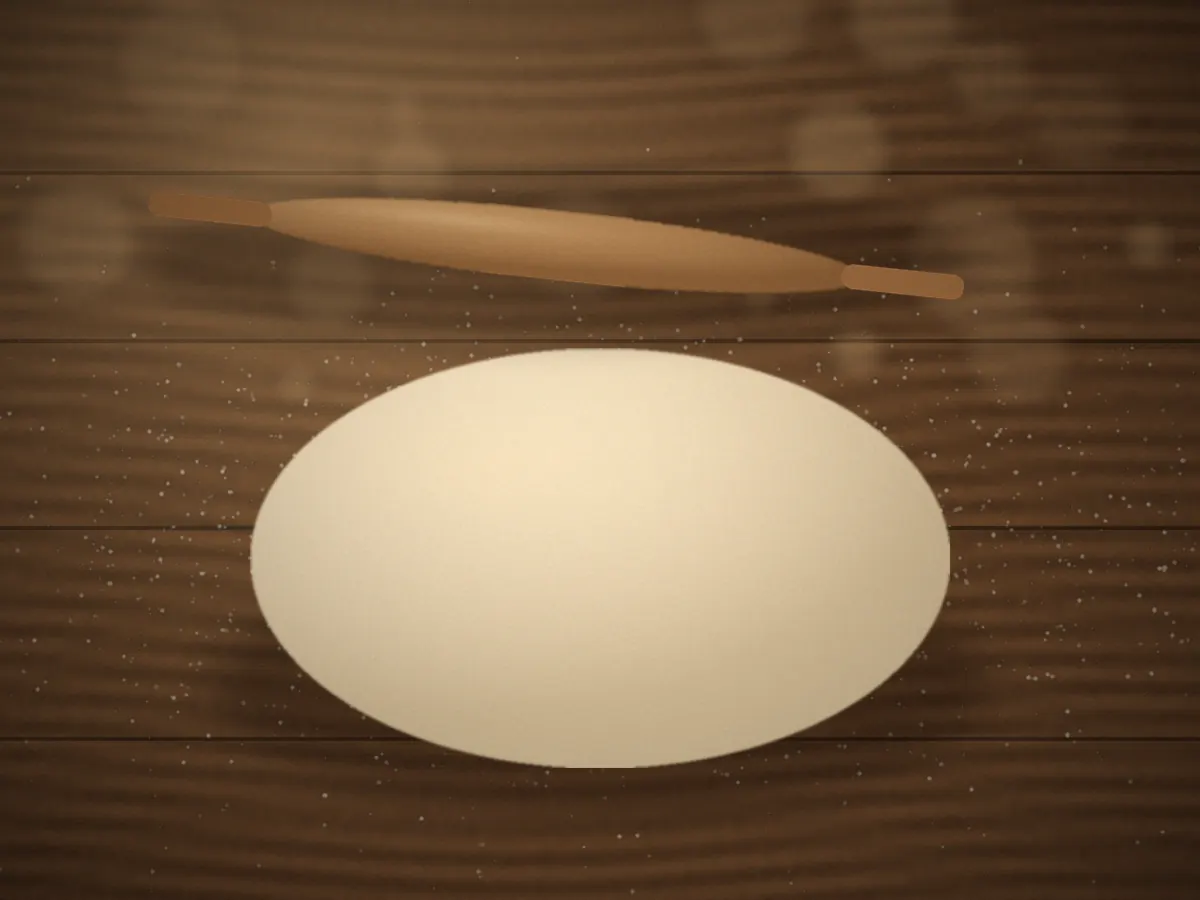
A croissant is made from a yeasted dough wrapped around a flat sheet of cold butter, then rolled and folded several times. This process, called lamination, creates many alternating layers of dough and butter.
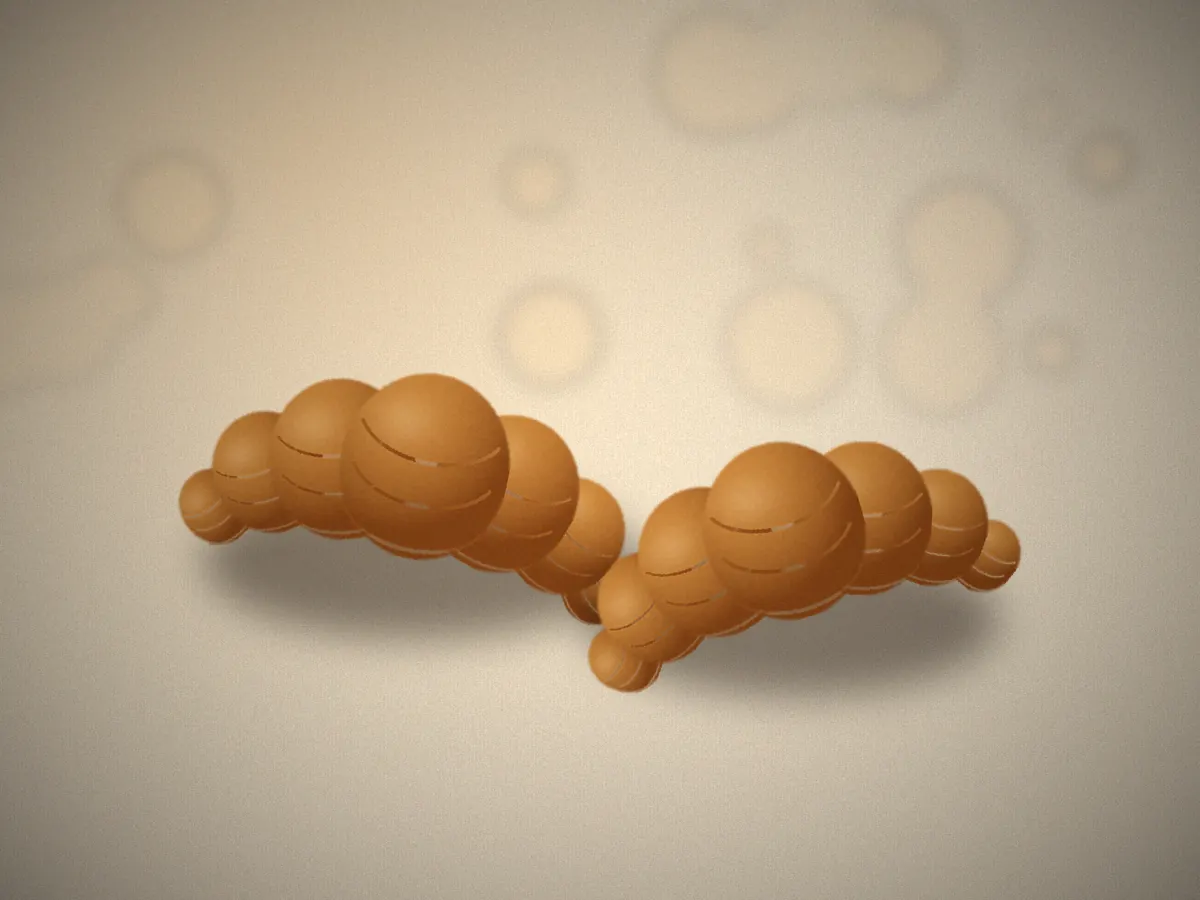
In the oven, water in the butter turns to steam and pushes the layers apart, while the fat crisps them. The result is a honeycomb interior and a crackling shell.
Simpler than laminated pastry, but no less dependent on technique.
Resting cookie dough for a day lets flour fully hydrate and sugars develop, giving deeper colour and a chewier centre. Browned butter adds a toasty, nutty note.
Tarts and cakes are about balance: a crisp base, a smooth filling and fruit or chocolate that cuts through richness without overpowering it.
Cold butter gives flakiness, softened butter creams in air for cakes, and melted butter makes for chewier cookies. Same ingredient, very different results.
Great pastry often relies on contrast: crisp against soft, rich against bright, sweet against a pinch of salt. A few principles guide how we think about it:
A flaky shell around a soft centre, or a crunchy topping on a tender crumb.
A little salt sharpens sweetness and keeps desserts from tasting flat.
Deeper golden bakes taste more complex. Underbaking is a common mistake.
Much of pastry's creativity comes from working with what is in season and from small shifts in classic recipes: a cardamom twist on a morning bun, a laminated dough folded around rhubarb, a shortbread flavoured with citrus zest.
The structure stays classic; the details change. You can see this approach in the seasonal section of our menu.
| Pastry | Pairs well with | Why it works |
|---|---|---|
| Butter croissant | Flat white or cappuccino | Milk softens the coffee and echoes the butter |
| Pain au chocolat | Espresso | Bitterness balances rich dark chocolate |
| Fruit tart | Darjeeling or green tea | Light, floral notes complement fresh fruit |
| Shortbread | Earl Grey | Bergamot lifts the buttery sweetness |
From weighing to cooling, follow the full baking process step by step.