Room to observe
A short run means each dough can be checked during bulk fermentation, so we shape when it is ready rather than when a timer says so.

Small-batch baking
MicroBaked is built around one simple idea: when you bake less at once, you can pay attention to everything.
Meet MicroBaked
MicroBaked is about baking at a human scale. Instead of chasing volume, we work in short runs where every dough can be watched, touched and judged by eye before it goes anywhere near the oven.
That approach shapes everything you will read on this site: how we think about artisan bread, why butter temperature matters so much to a good pastry, and why we would rather wait an extra few hours than rush a loaf that is not ready.
Read the MicroBaked story →
Our approach
Large production lines rely on additives and rigid schedules to keep results uniform. Small batches let us get consistency the other way round: by noticing and adjusting.
A short run means each dough can be checked during bulk fermentation, so we shape when it is ready rather than when a timer says so.
Baking less at once keeps the distance between oven and table short. Bread is at its best within hours of cooling, and small runs respect that.
Humidity, flour and room temperature change every day. A small batch can be nudged with water or timing without wasting a mountain of dough.
Artisan bread highlights
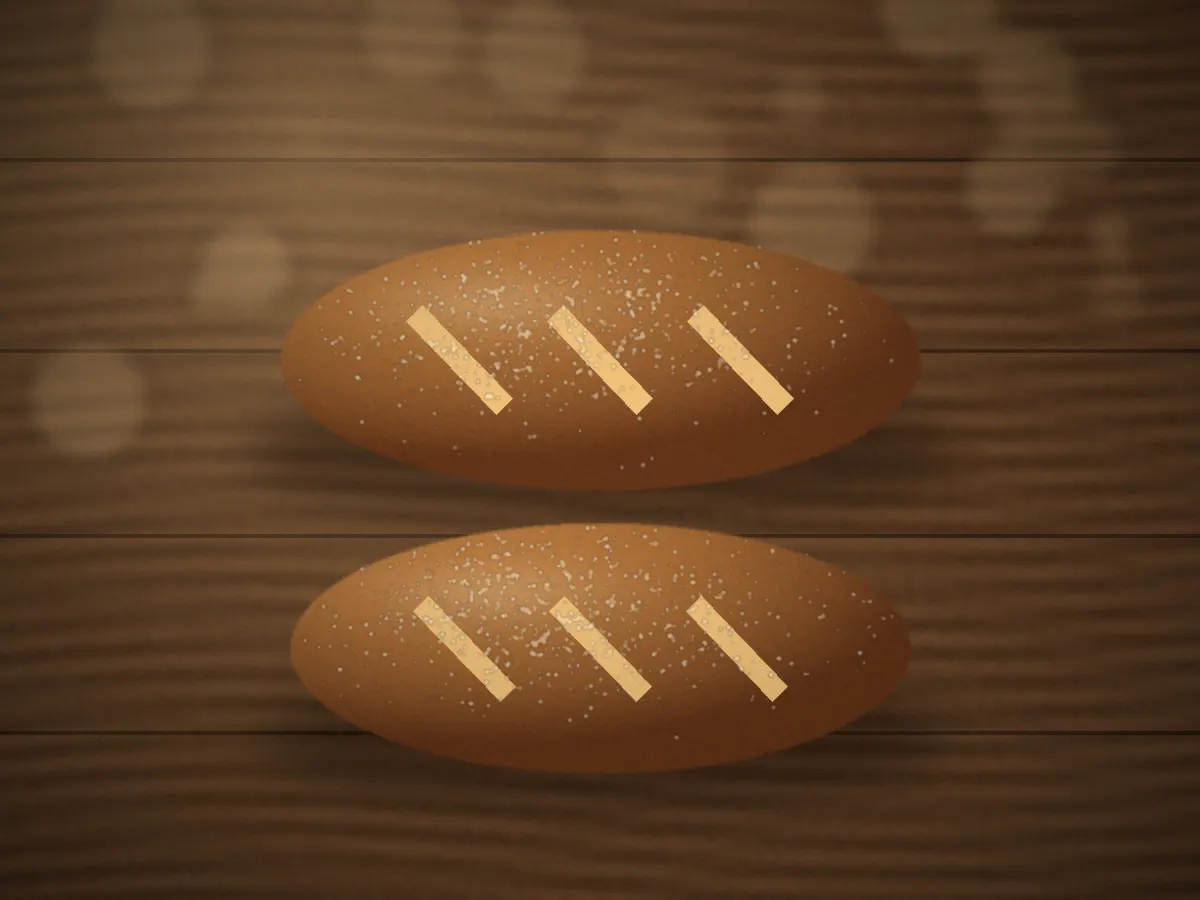
Our breads lean on natural leavening and slow, cool fermentation. That time builds flavour that yeast alone cannot rush: gentle acidity, a deep caramelised crust and a crumb that stays moist for days.
Fresh pastries & baked goods
Pastry is where precision meets patience. Laminated doughs, shortbread and tarts each ask for a different kind of care.
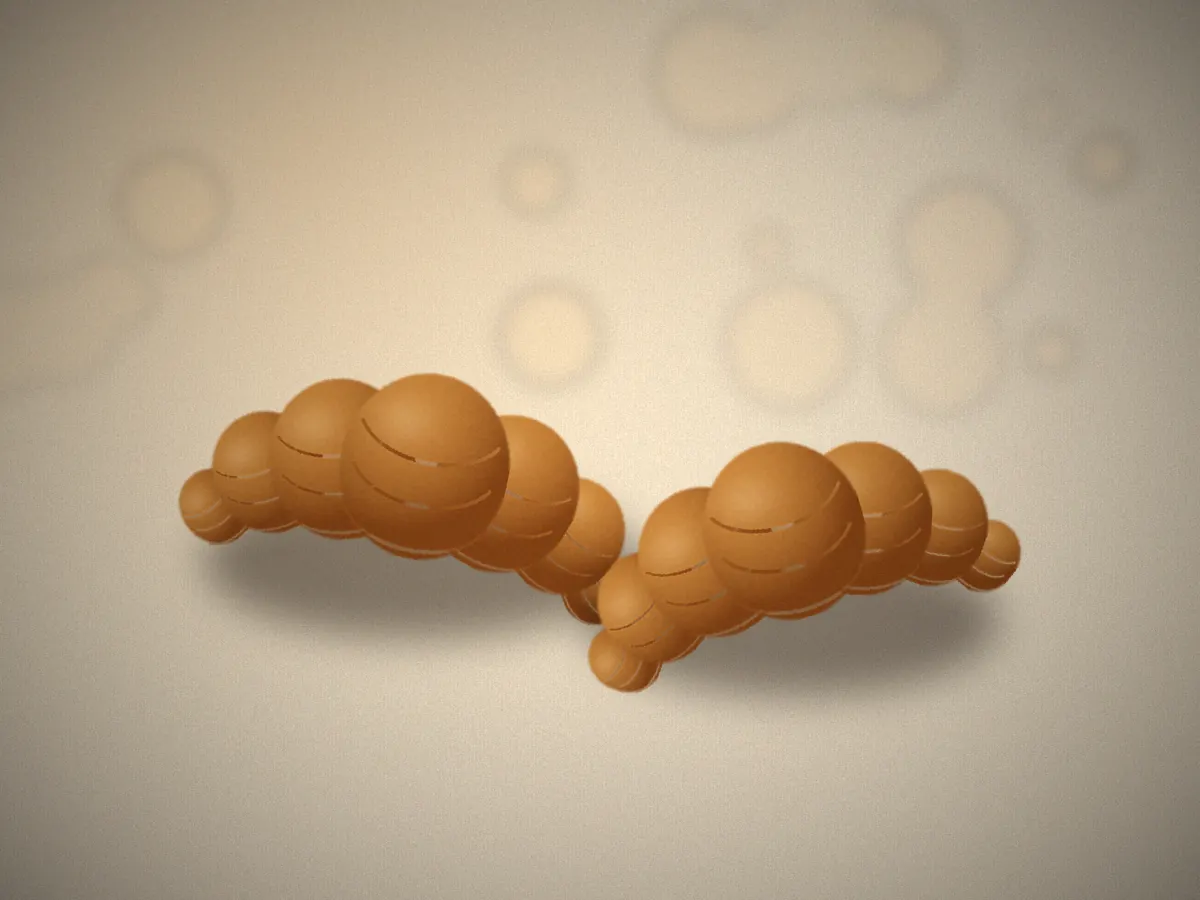
Laminated over three days for a honeycomb interior and a shatteringly crisp shell.
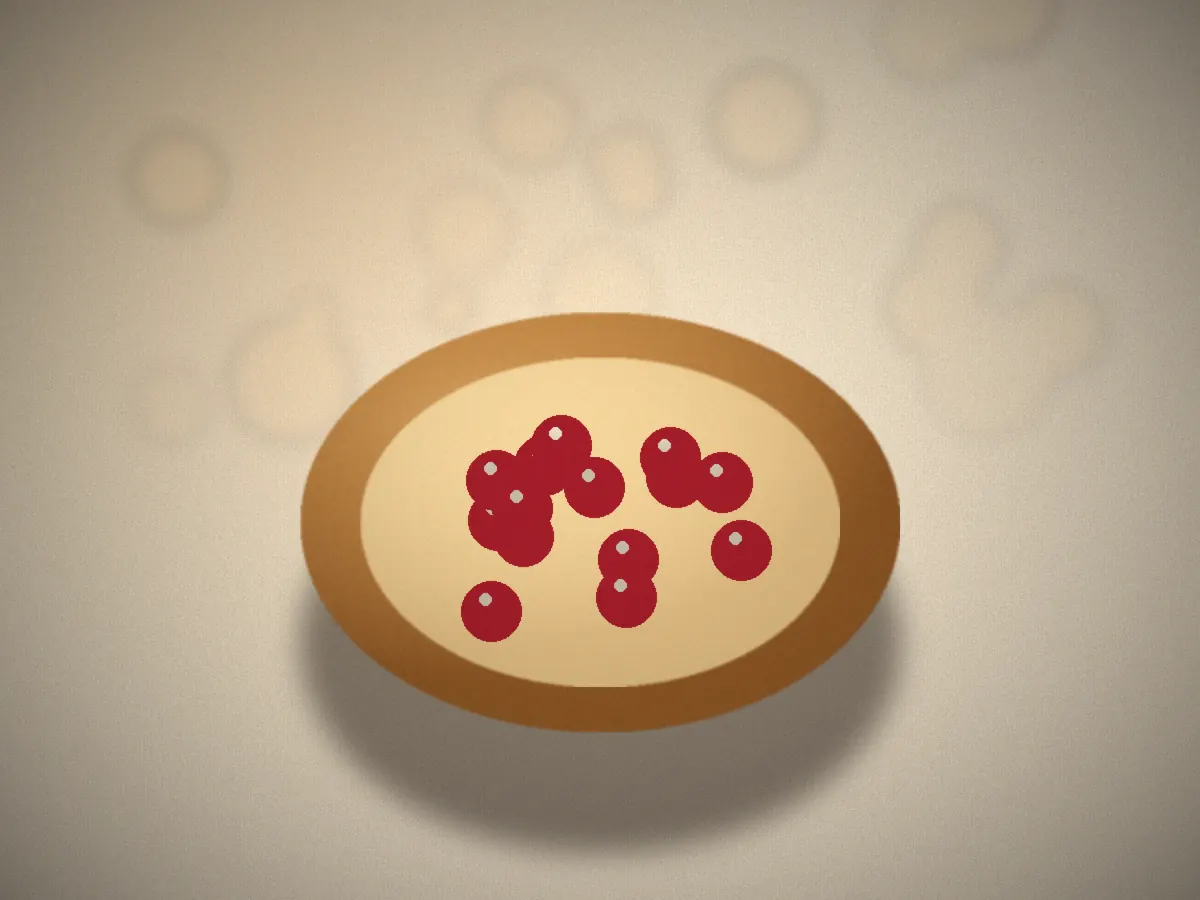
A short, buttery shell filled with custard and whatever fruit is at its peak.
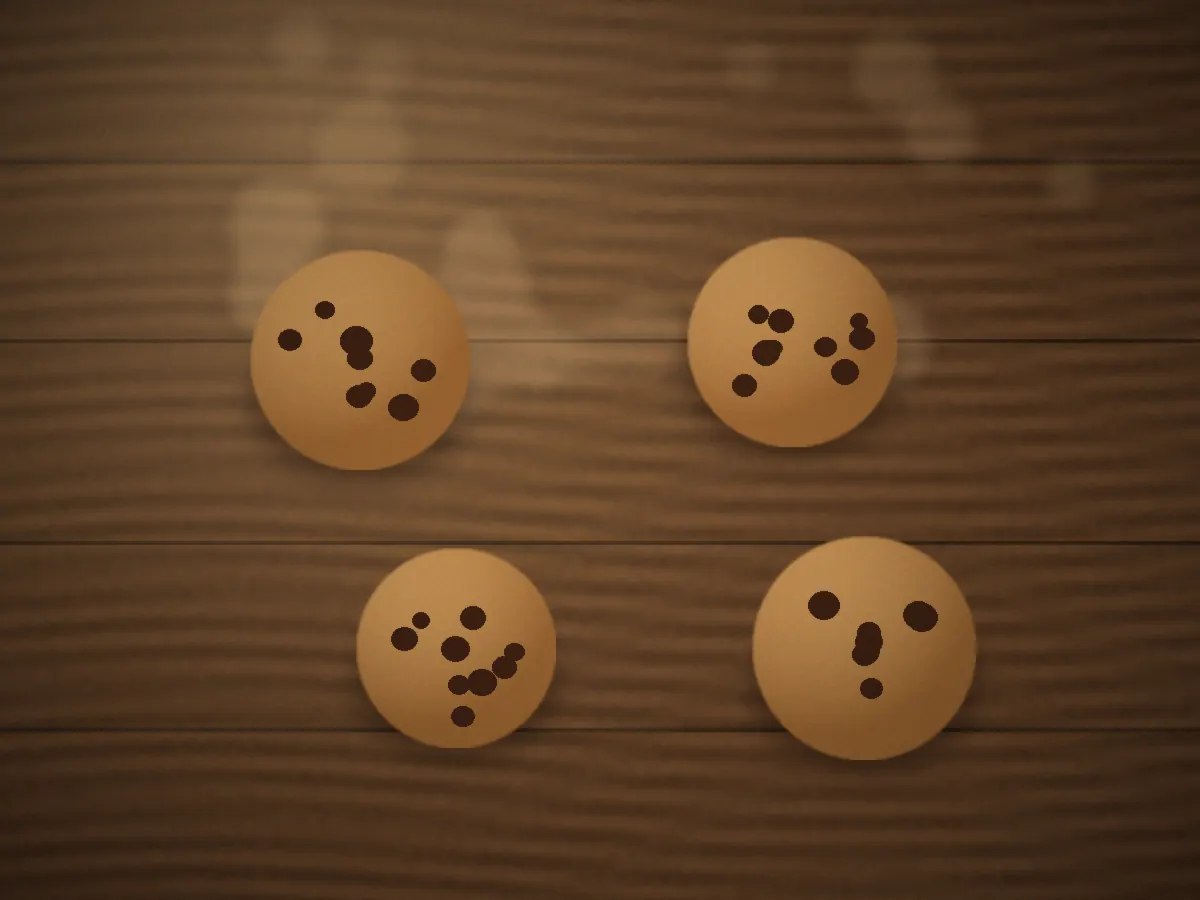
Brown-butter cookies, rested overnight so the flavour deepens and the edges caramelise.
Quality ingredients
Good bread needs only flour, water and salt, which means each of those has to be right. We think about protein content, how freshly flour is milled and how hydration changes from one bag to the next.
For pastry, the focus shifts to butter: its fat content, its temperature, and how it behaves when it is folded into dough again and again.
See how we think about ingredients →Baking philosophy
Time is the ingredient you cannot buy. Every good loaf is a record of how patiently it was made.
Long fermentation, proper resting and full cooling before slicing.
Few ingredients, each with a clear purpose in the finished bake.
Hands, eyes and judgement at every stage, not just at the end.
Featured journal
Longer reads on the ideas behind small-batch baking.
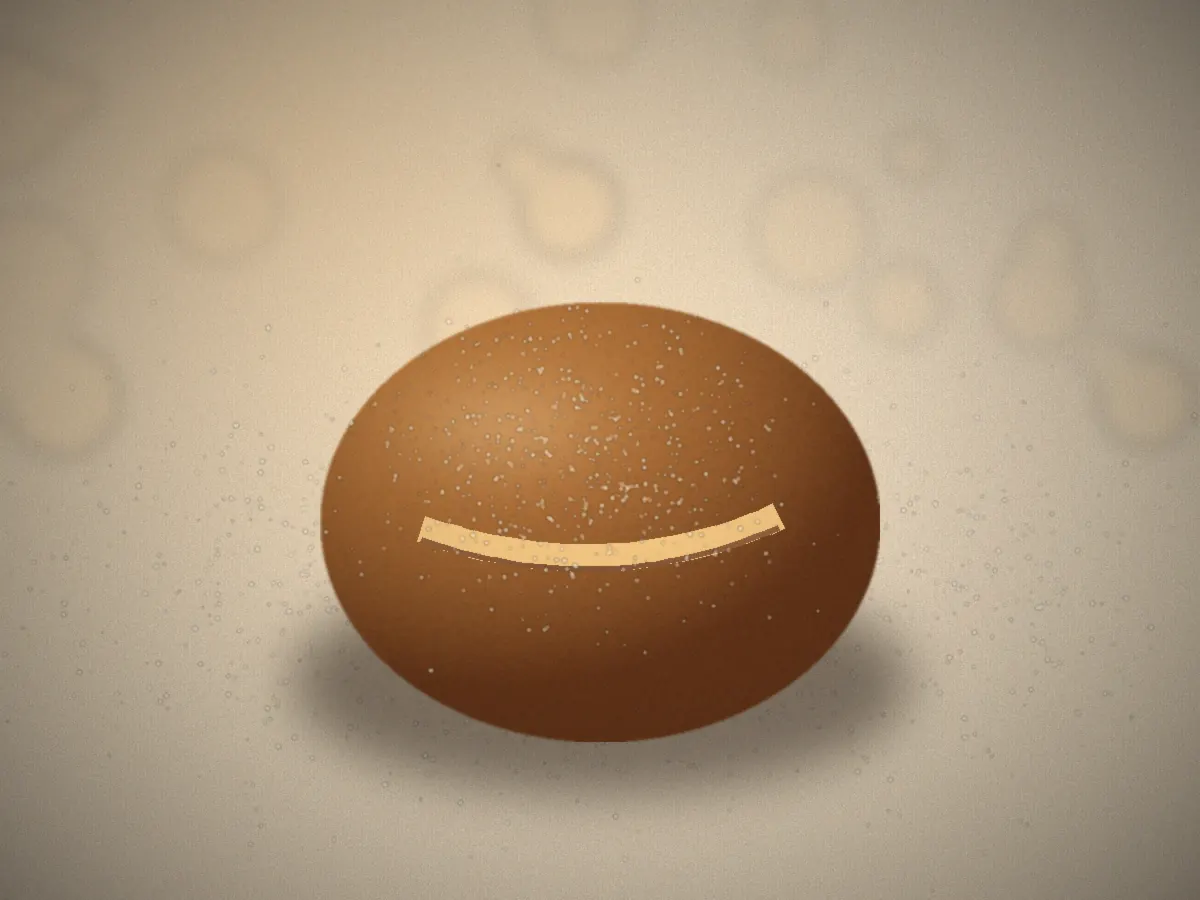
Fermentation, hand shaping and a hot oven explain most of the difference you can taste.
How cold butter, careful folding and resting create hundreds of delicate layers.
Browse an illustrative look at the breads, pastries and sweet bakes that define the MicroBaked style.