Better decisions in real time
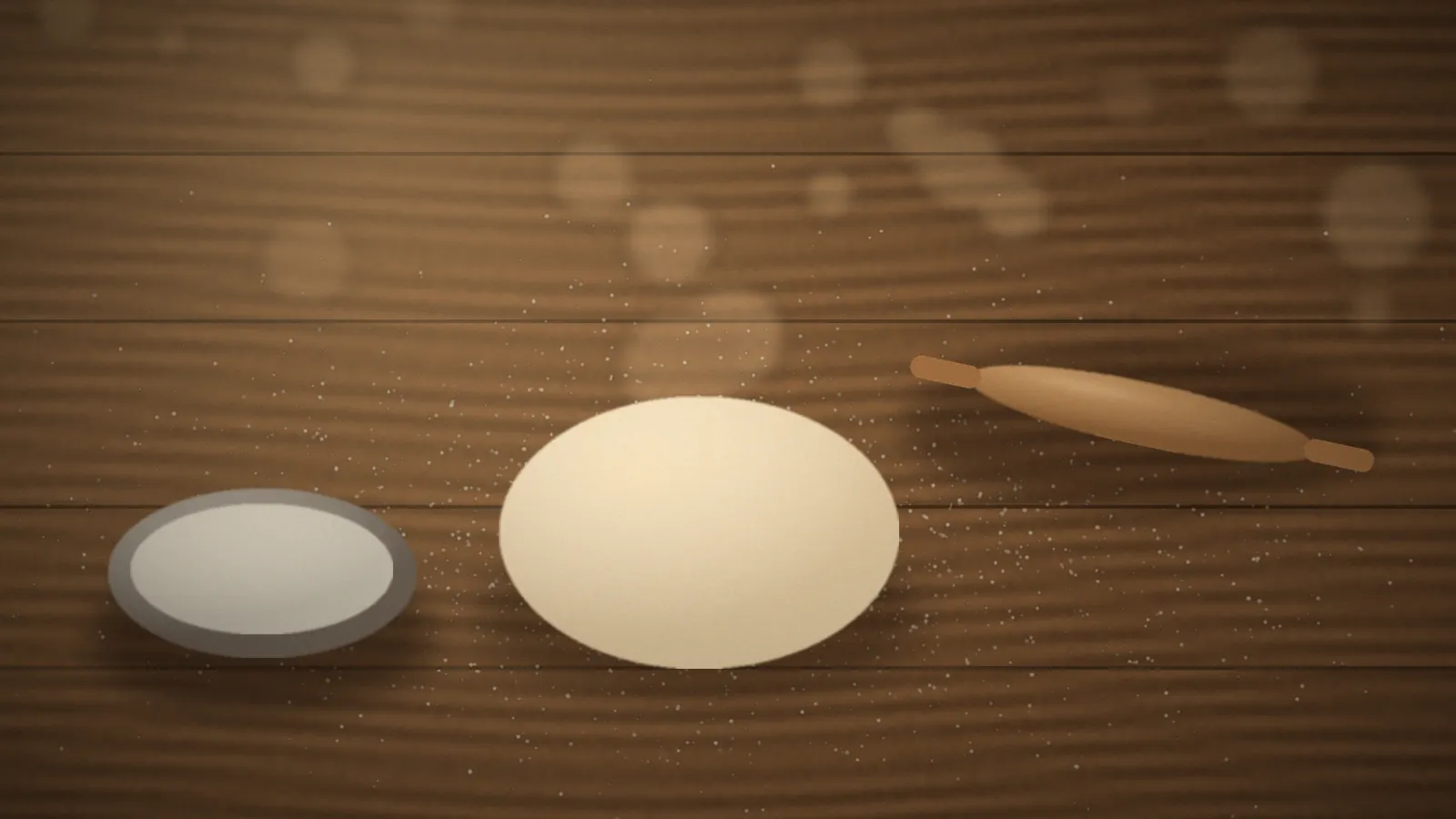
When a dough ferments faster on a humid day, a small batch can be shaped early without disrupting a production schedule built for thousands of units.

About us
Thoughtful baking, inspired by simple ingredients.
MicroBaked started from a quiet conviction: that the best bread and pastry come from paying close attention, and that attention gets harder the bigger the batch.
The name says it plainly. "Micro" is not about being tiny for the sake of it; it is about keeping production at a size where one person can still see every dough, notice when the kitchen is warmer than usual and change course before it matters.
This site is where we share that way of working, from how a loaf is fermented to why certain ingredients earn their place on the bench.

Most of what makes baking good is invisible. You cannot see the hours a dough spent fermenting in a cool room, or the moment a baker decided the croissant butter was two degrees too warm and put everything back in the fridge. Yet you can taste both.
Our philosophy is built on respecting those invisible steps. We would rather explain why something takes three days than hide it behind a shortcut. That honesty runs through the way we write about baking as much as the way we bake.
Fermentation, resting and cooling are treated as ingredients in their own right.
Flour, butter and water are chosen for how they behave, not just for price.
Bread should be good to eat on day one and still pleasant on day three.
Scale changes what a bakery can and cannot do. Keeping batches small opens up choices that larger operations rarely have.
When a dough ferments faster on a humid day, a small batch can be shaped early without disrupting a production schedule built for thousands of units.
Dough conditioners and preservatives exist to make huge batches predictable. With fewer loaves, technique and timing can do that work instead.
A short run makes it practical to bake with fruit, grains or spices that are only at their best for a few weeks.
Baking closer to what will actually be eaten means fewer leftover loaves going stale on a shelf.
Being thoughtful means asking why at every step. Why this flour for this loaf? Why fold the dough four times instead of six? Why let croissant dough rest overnight between turns?
The answers are usually practical. A stronger flour holds the gas produced during a long ferment. Fewer folds keep an open crumb from tightening. An overnight rest relaxes gluten so the butter layers stay intact. You can read more about these decisions in our baking process.
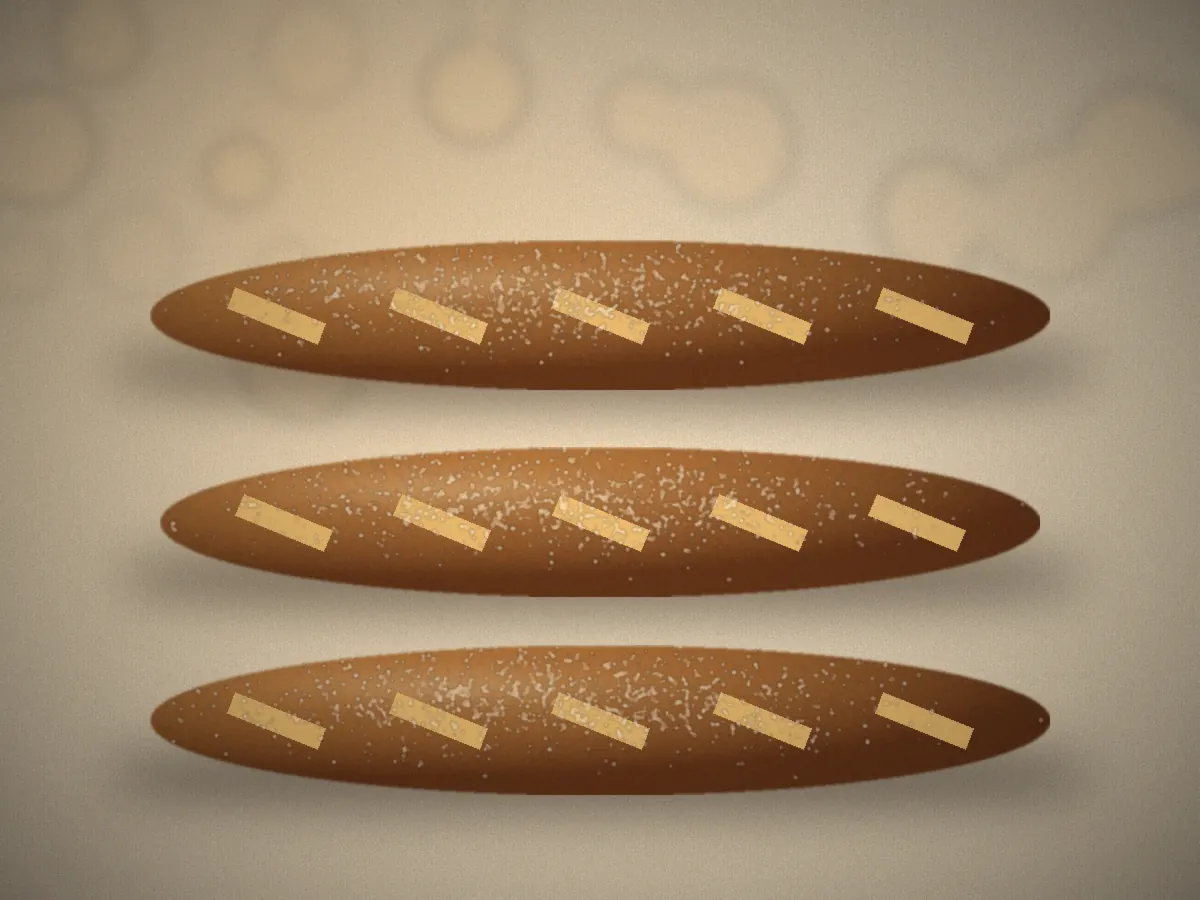
Measured in flavour, texture and how a bake holds up after it leaves the oven, not in how it looks under shop lights.
If an ingredient does not make a clear contribution to taste or structure, it does not belong in the recipe.
Skills that improve with repetition: shaping tension, reading a proof, judging bake colour by eye.
"Artisan" gets used loosely, but at its core it describes bread and pastry made with human judgement at the centre. The baker decides when the dough is ready, how firmly to shape it and how dark the crust should go.
That judgement leaves fingerprints. No two loaves from a small batch are identical, and that slight variation is part of the appeal. It is evidence that someone was paying attention.
If you want to go deeper, our journal explores these ideas in longer form, and our bakery page describes how the space itself supports this way of working.
Step inside the MicroBaked bakery concept and the handmade principles that guide each bake.