Crust
Deeply coloured and crisp, thanks to the Maillard reaction and caramelisation. A blistered surface often signals a long, cold proof.

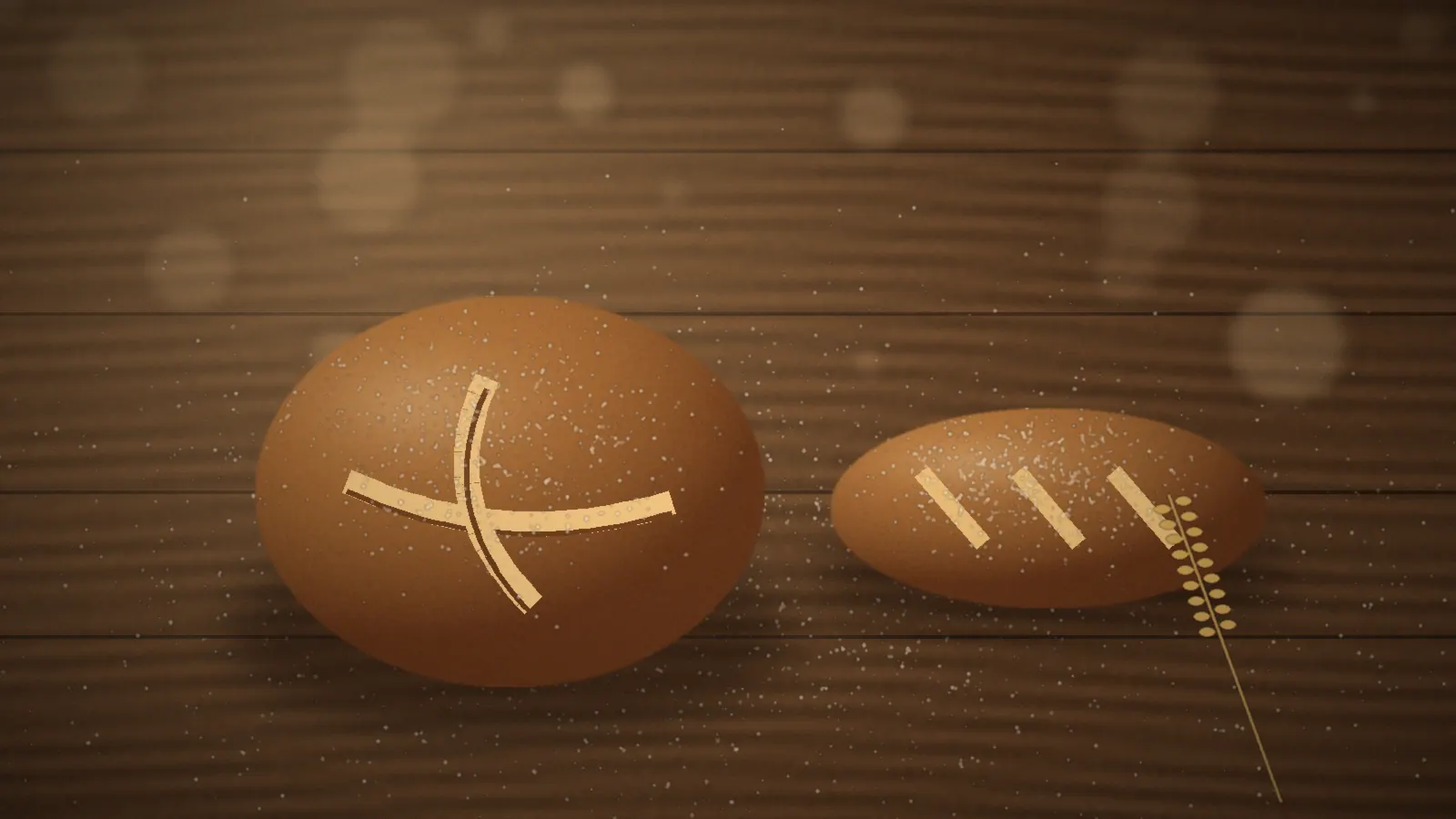
Artisan bread
Flour, water, salt and time, and why each one matters.
Artisan bread is defined less by a recipe than by a method: minimal ingredients, long fermentation, shaping by hand and baking in a very hot oven.
Commercial sandwich bread is designed for softness and shelf life, often with added fats, sugars and conditioners. Artisan loaves take the opposite route. They rely on time and technique to build flavour and structure, which is why they taste of wheat and fermentation rather than of sweetness.
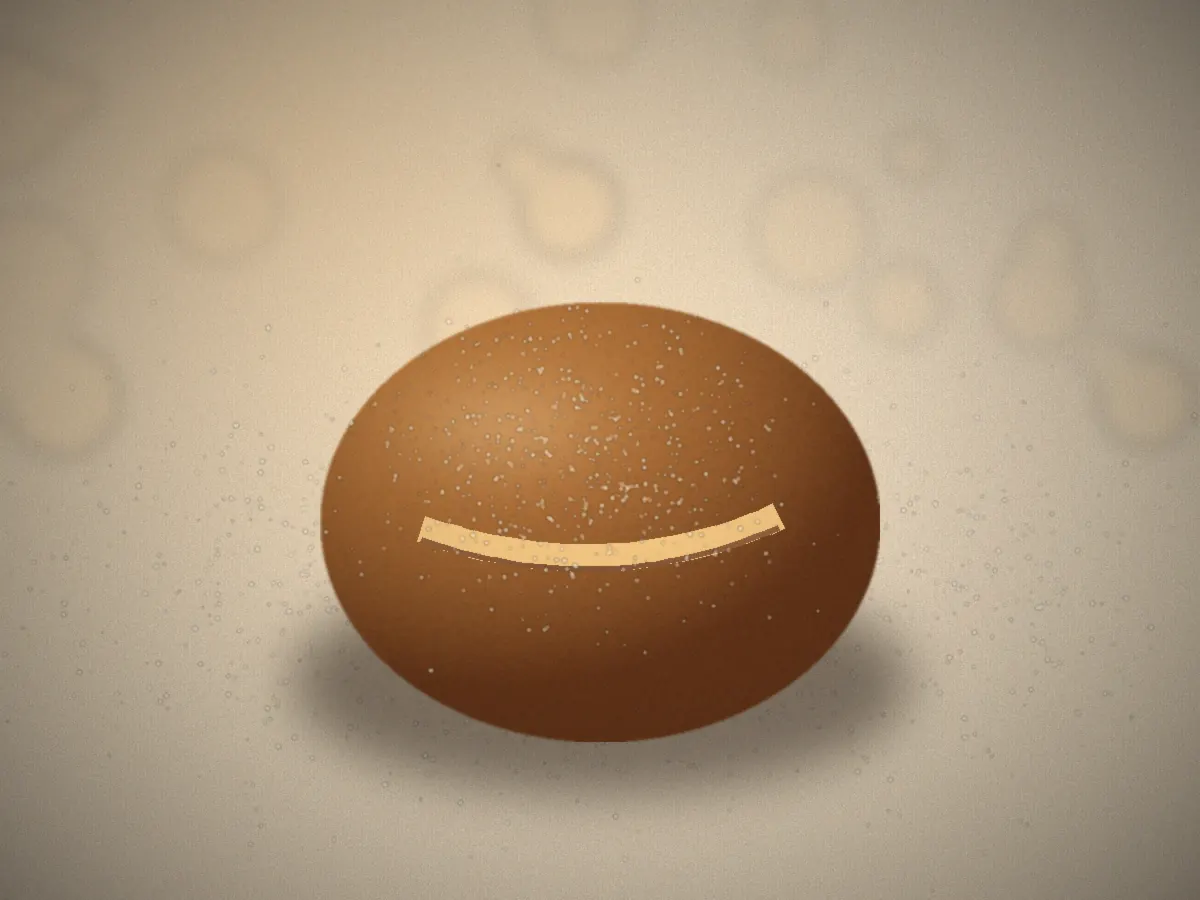
Sourdough is leavened by a starter, a living culture of wild yeasts and lactic acid bacteria kept alive with regular feedings of flour and water.
The yeasts produce carbon dioxide that raises the dough, while the bacteria produce lactic and acetic acids. Those acids give sourdough its gentle tang, help the crumb stay moist and naturally slow staling.
Fermentation happens in two main stages. Bulk fermentation is the first rise, when the whole mass of dough develops gas, strength and flavour. Final proof follows shaping, giving each loaf its last lift before baking.
Many bakers also retard shaped loaves overnight in the fridge. Cold slows the yeast more than the bacteria, so acidity and complexity continue to develop while the rise stays under control. It also makes the dough firmer and easier to score cleanly.
Warmer dough ferments faster; cooler dough ferments slower. A change of just a few degrees can shift bulk fermentation by hours, which is why bakers track dough temperature so closely.
Three things to look for when you cut into a well-made loaf.
Deeply coloured and crisp, thanks to the Maillard reaction and caramelisation. A blistered surface often signals a long, cold proof.
Irregular holes with a glossy, slightly translucent sheen point to good hydration and proper fermentation.
The raised flap along a score forms when surface tension and oven spring work together to lift the cut edge.
Time does two jobs. It lets enzymes in the flour break starches into sugars that feed fermentation and later brown in the oven. It also lets gluten organise itself into a strong network, sometimes with surprisingly little kneading.
A simple technique called autolyse, resting flour and water together before adding salt and starter, uses that principle. Twenty minutes to an hour of rest makes the dough noticeably smoother and more extensible.
Rushing any of these stages tends to show up as a pale crust, a tight crumb or a flat, one-note flavour.
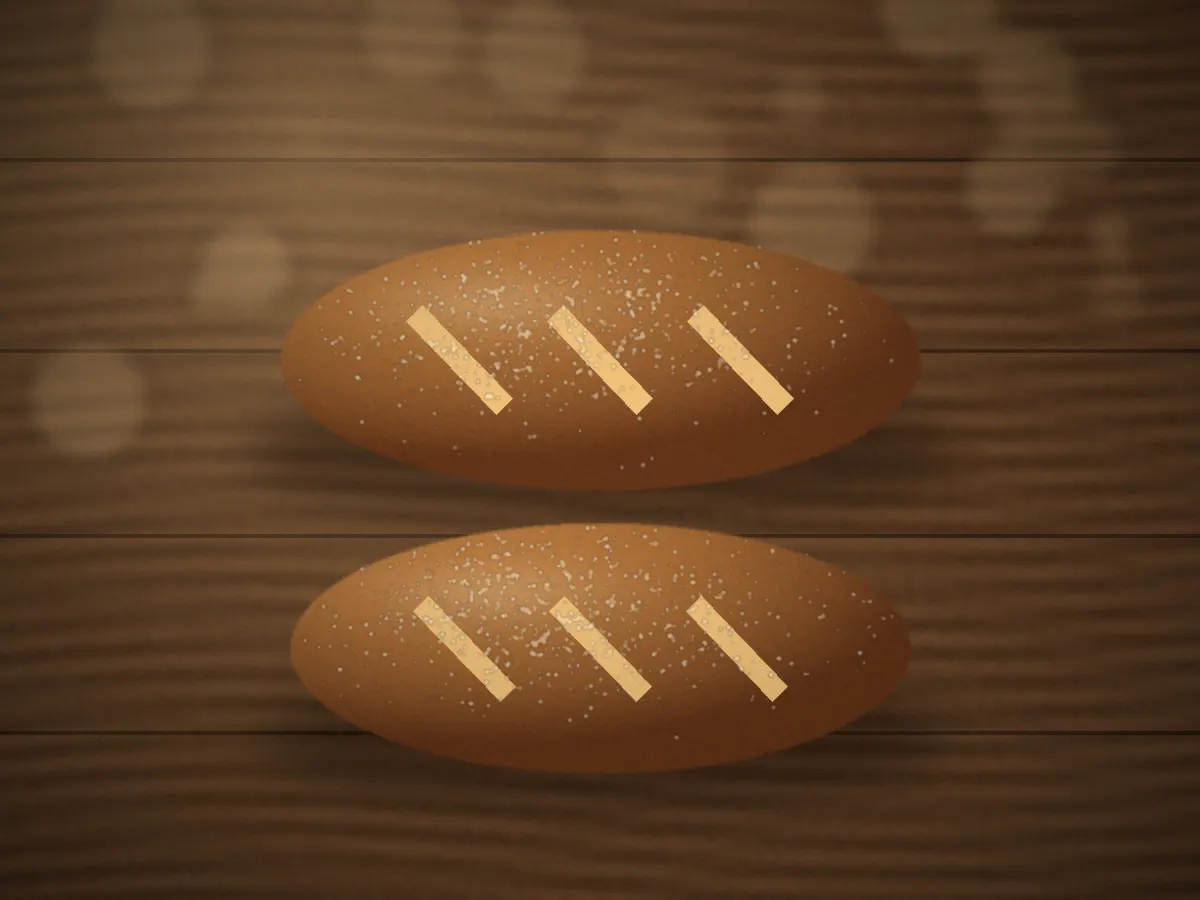
Flour is the backbone of bread, and small differences in it change the dough you get.
| Flour | Typical use | What it brings |
|---|---|---|
| Strong white / bread flour | Sourdough, baguettes | Higher protein for a strong, elastic gluten network |
| Wholewheat | Wholegrain and blended loaves | Nutty flavour, more fibre, absorbs more water |
| Rye | Rye and seeded breads | Earthy, slightly sweet flavour and a denser, moist crumb |
| Spelt | Rustic and blended loaves | Mellow, nutty taste with a more delicate gluten |
Freshly milled and wholegrain flours generally absorb more water, so hydration often needs adjusting. More on this on our ingredients page.
Older bread still has plenty to give: croutons, panzanella, bread pudding and breadcrumbs all depend on slightly stale loaves.
Explore how laminated pastries, cookies and tarts come together.