Touch before timing
Recipes give a range; the dough decides the moment. A gentle poke test says more than a timer.

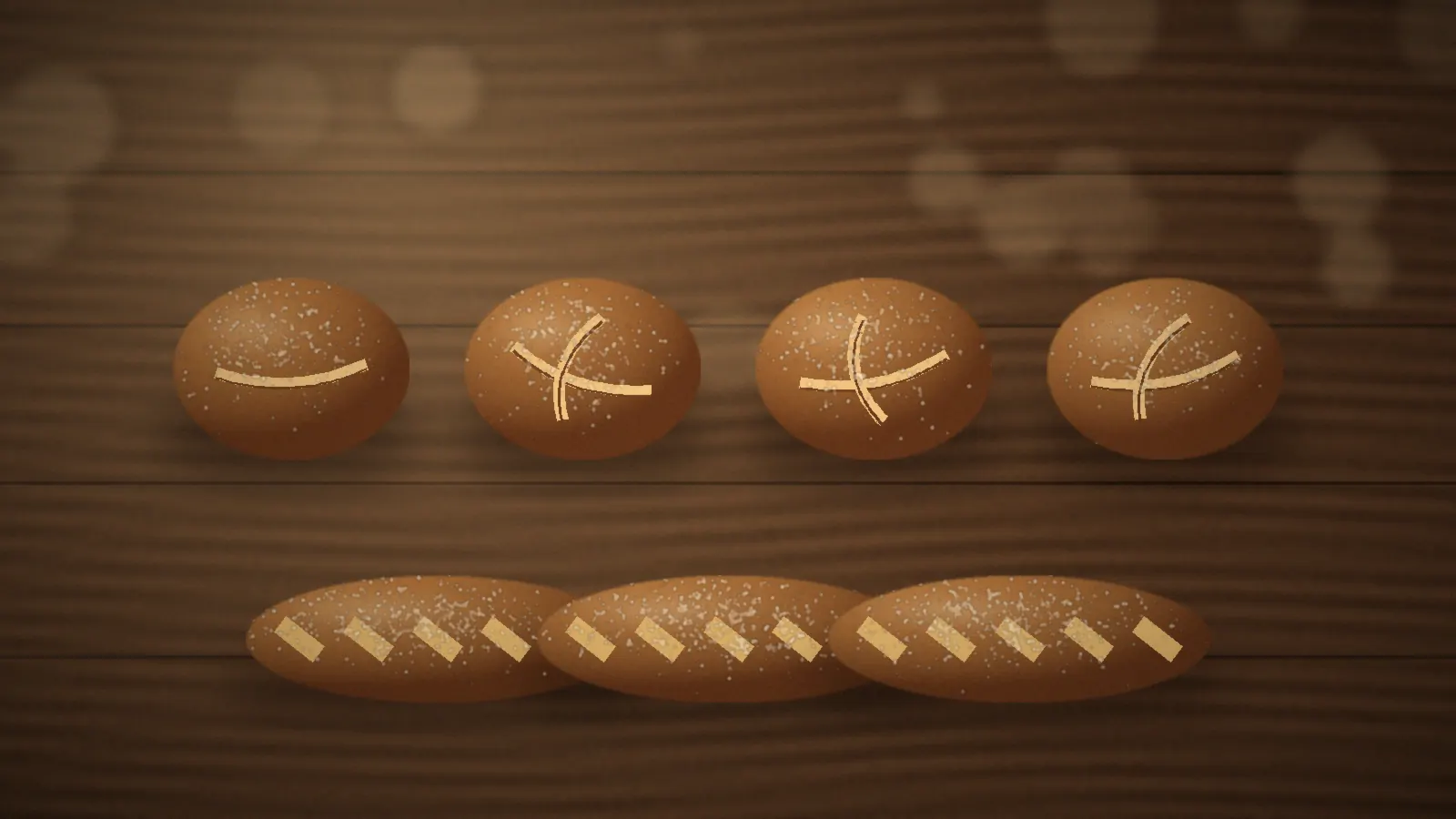
Our bakery
A workspace designed around dough, not machines.
The MicroBaked bakery is organised around the life of a dough. Everything is arranged so that mixing, resting, shaping, proofing and baking flow naturally from one station to the next.
A small bakery has to make its space work hard. Benches double as shaping tables, cool corners become retarding zones for overnight proofs and a single deck oven sets the rhythm of the day. Constraints like these keep the work focused.
Four habits that guide every shift at the bench.
Recipes give a range; the dough decides the moment. A gentle poke test says more than a timer.
Good shaping builds a taut outer skin that helps the loaf rise upward instead of spreading.
Butter and dough behave best in a tidy, temperate space. Mess and heat both cost quality.
Every batch is tasted. It is the only reliable way to notice small drifts in flavour.
Details that seem tiny add up quickly in baking:
Freshness is not only about the hour a loaf leaves the oven. It also means using flour that has not sat for months, folding butter that was kept properly cold and serving pastries on the day they are baked.
A small bakery can treat freshness as a design principle rather than a marketing word, because it never has to bake further ahead than it needs to.
The broad shape of a bakery day. The full detail lives on our baking process page.
Starters are refreshed, flour is weighed and water tempered.
Doughs are combined, rested and strengthened with gentle folds.
Bulk fermentation develops flavour and structure over several hours.
Dough is divided, pre-shaped, rested and given its final form.
Shaped loaves rest, often overnight in the cold for deeper flavour.
A hot, steamy oven sets the crust, then dry heat deepens its colour.
Small-batch production trades raw output for control. Fewer loaves per run means each one gets closer inspection, and problems are spotted while they are still easy to fix.
It also keeps the bakery flexible. Trying a new grain, testing a longer proof or adjusting a pastry recipe costs very little when the batch is small, which keeps the craft moving forward.
See our ingredientsOur menu page offers an illustrative look at the breads, pastries and sweet treats in the MicroBaked style.